
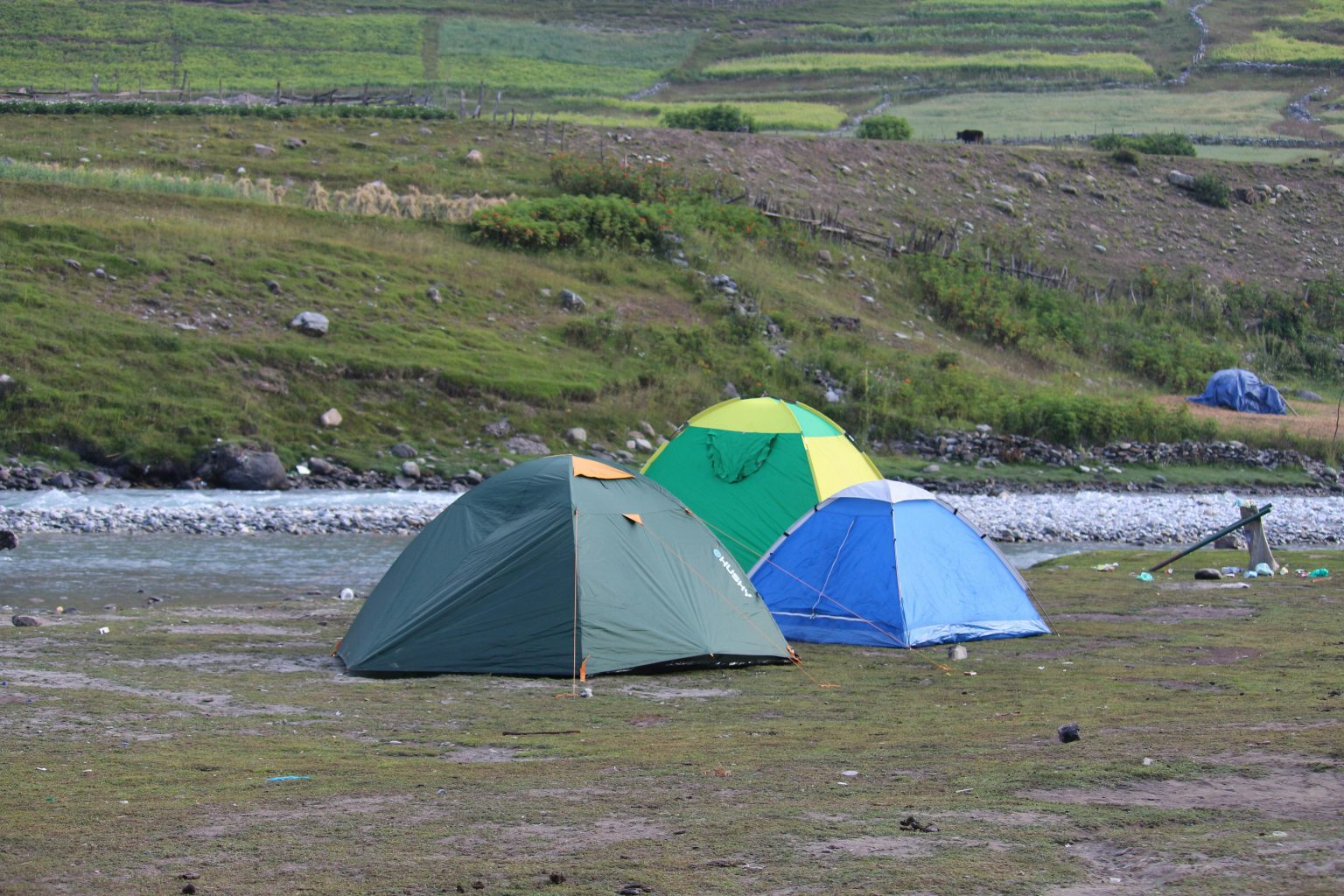
Choosing Your Best Outdoor Adventure: Tent Camping vs. RV Camping
Imagine sitting under the stars, surrounded by the tranquil sounds of nature, or perhaps waking up to the gentle hum of a nearby stream. Whether you’re a seasoned camper or someone looking to dive into your first outdoor adventure, understanding the differences between tent camping and RV camping is crucial. This guide will help you choose the best type of camping to match your outdoor adventure dreams and needs.
Why This Matters
Camping is more than just a way to spend a weekend; it’s an opportunity to disconnect from the rush of everyday life and reconnect with nature. Choosing between tent camping and RV camping can affect your overall experience, comfort, and what you need to pack. Both styles have their unique benefits that can enhance your appreciation of the outdoors.
Tent Camping: Embrace the Classic Experience
Overview
Tent camping is perhaps the most traditional form of camping. It involves packing a tent and necessary gear, finding a campsite, and setting up your tent as your temporary home.
Benefits
- Closer to Nature: Tent camping offers a direct connection with the outdoors. You’re more likely to hear, smell, and feel nature around you.
- Cost-Effective: Generally, it’s less expensive than RV camping, as you don’t need large equipment or extra fuel.
- Flexibility: You can camp on remote sites that might be inaccessible to RVs.
What You’ll Need
- A durable tent
- Sleeping bags and pads
- Cooking equipment
- A basic survival kit
RV Camping: Comfort in the Great Outdoors
Overview
RV camping involves traveling with a recreational vehicle which includes built-in beds, a kitchen, and usually a bathroom. It combines the freedom of camping with some comforts of home.
Benefits
- Comfort and Convenience: RVs offer beds, electricity, and water. Some also have heating and air conditioning.
- Less Setup Time: Once you park your RV, most of the setup is already done.
- Extended Camping: With an RV, you can comfortably camp in a wider range of weather conditions and for longer periods.
What You’ll Need
- A recreational vehicle
- A campsite reservation (especially for larger RVs)
- Knowledge of RV maintenance
Common Questions and Myths
Q: Is tent camping safe?
A: Absolutely! With proper preparation, such as securing food and knowing local wildlife precautions, tent camping is a safe way to enjoy nature.
Q: Do I need a special license to drive an RV?
A: In most cases, no. A standard driver’s license is sufficient for most smaller RVs. However, larger RVs might require additional licensing.
Myth: RV camping isn’t ‘real’ camping.
This is a common misconception. Camping is about enjoying the outdoors, regardless of how you choose to stay. RV camping just offers different comforts and conveniences.
Practical Tips & Actionable Advice
For Tent Campers:
- Check Weather Forecasts: Always prepare for the unpredictability of nature to enhance your safety.
- Practice Setting Up: Try setting up your tent at home first to avoid struggling at the campsite.
For RV Campers:
- Plan Your Route: Ensure your destinations and campsites can accommodate your RV’s size.
- Regular Maintenance: Keep your RV in top shape to avoid unexpected issues during your trip.
Conclusion
Whether you choose the rustic appeal of tent camping or the comfortable convenience of RV camping, both offer unique ways to explore and enjoy the outdoors. Evaluate your personal preferences, needs, and camping skills to select the best option for your next outdoor adventure. So why not start planning your next getaway and immerse yourself in the beauty of nature, in the style that suits you best? Happy camping!
Remember, each type of camping will connect you with nature and offer a break from the digital world, providing rejuvenation and a fresh perspective on the simple pleasures of life.