Introduction: Essential Camping Food Ideas for Beginners
Imagine sitting by a campfire under the stars, surrounded by the tranquil sounds of nature. The one thing that could make this picture-perfect scene even better? Enjoying some delicious, easy-to-prepare food that enhances your camping experience. For beginners, knowing what food to bring camping is essential not just for convenience but for ensuring you have the energy for all your adventures. This guide will help you discover practical, tasty food ideas perfect for your first camping trip, making your outdoor experience both enjoyable and nourishing.
Why This Matters
Camping is an opportunity to disconnect from daily life and reconnect with nature. The right kind of food can make your trip more comfortable and enjoyable. Planning your camping meals helps in reducing waste, saving money, and maintaining energy levels during activities like hiking and swimming. Knowing basic, effective food ideas can significantly enhance the overall experience, especially for beginners who are yet to learn the ropes of campsite cooking.
Essential Camping Food Ideas: A Detailed Breakdown
1. Easy-to-Prepare Meals
- Instant Oatmeal: Just add hot water for a filling breakfast.
- Pre-made Sandwiches: Prepare sandwiches beforehand or bring ingredients like bread, peanut butter, and jelly.
- Ready-to-eat Canned Goods: Tuna, beans, and soup can be lifesavers.
2. Snacks and Energy Boosters
- Trail Mix: Combine nuts, seeds, dried fruits, and chocolate chips for a quick snack.
- Energy Bars: Pack granola or protein bars for an instant energy lift.
- Fresh Fruits and Vegetables: Carrots, apples, and oranges are nutritious and hydrate.
3. Hydration Solutions
- Water: Always prioritize ample water supply.
- Electrolyte Packets: Useful for rehydration after physical activities.
- Tea or Instant Coffee Packets: For a warm drink on chilly mornings.
4. Cooking Essentials
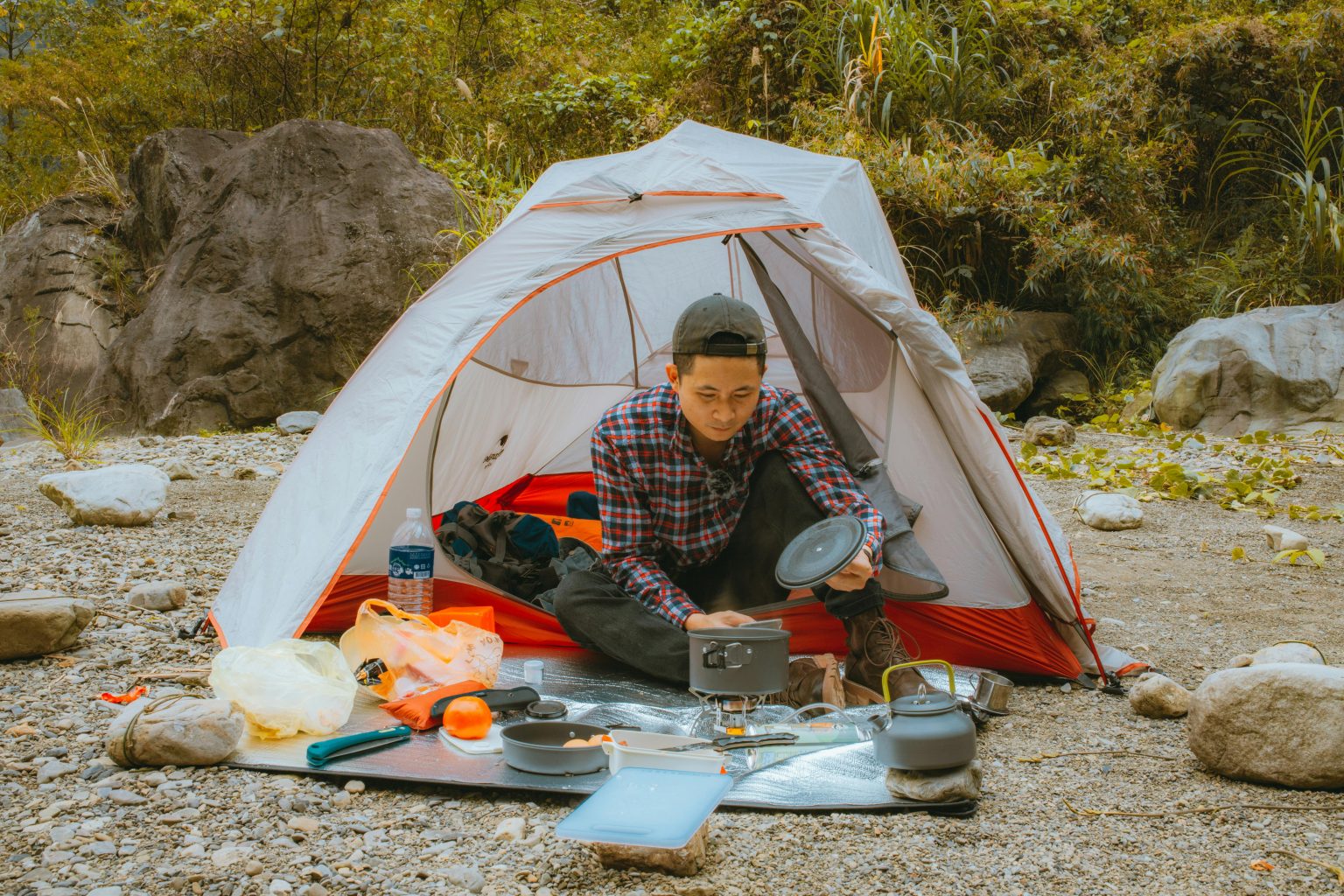
- Portable Grill or Stove: Consider easy-to-use equipment for cooking.
- Utensils and Cookware: Basic pots, pans, and cooking utensils.
- Cooler: Keeps perishables like meat and dairy safe.
Expert-Based Advice
According to the U.S. Forest Service, proper meal planning not only enhances your camping experience but also helps in adhering to Leave No Trace principles by minimizing waste. It’s recommended to plan each meal, keep meals simple, and prepare as much as you can at home to avoid the hassle of handling complex ingredients at the campsite.
Common Questions and Misconceptions
Q: Can I bring raw meat camping?
A: Yes, but store it in a cooler with plenty of ice to keep it at a safe temperature.
Q: Isn’t canned food too heavy for camping?
A: While fresh is preferable, canned food can be a practical choice for short trips or as an emergency backup.
Misconception: “You need gourmet meals to enjoy camping.”
Reality: Simple meals are often the best when camping. They reduce preparation time and minimize cleaning up.
Practical Tips & Actionable Advice
Checklist Before You Leave:
- Plan each meal.
- Prep food at home when possible.
- Pack plenty of water and snacks.
Best Practices:
- Keep meals simple.
- Use sturdy, reusable containers for storage.
- Always store your food securely to avoid attracting wildlife.
Do’s and Don’ts:
- Do pack out all your trash.
- Don’t leave food unattended.
- Do consider dietary restrictions and preferences.
Conclusion: Embark on Your Camping Adventure!
With the essential camping food ideas outlined, you’re now better equipped to manage your meals effectively on any camping trip. The simplicity and practicality of your food choices not only ease your preparation but also ensure you have more time to enjoy the natural beauty around you. Remember, the best camping experiences come from good company, great adventures, and of course, delicious, hassle-free meals! So, pack up your gear, prepare your food, and set out to make unforgettable memories in the great outdoors.