Essential Tips for First-Time Campers: Discover the Best Beginner Camping Guides Online
Introduction
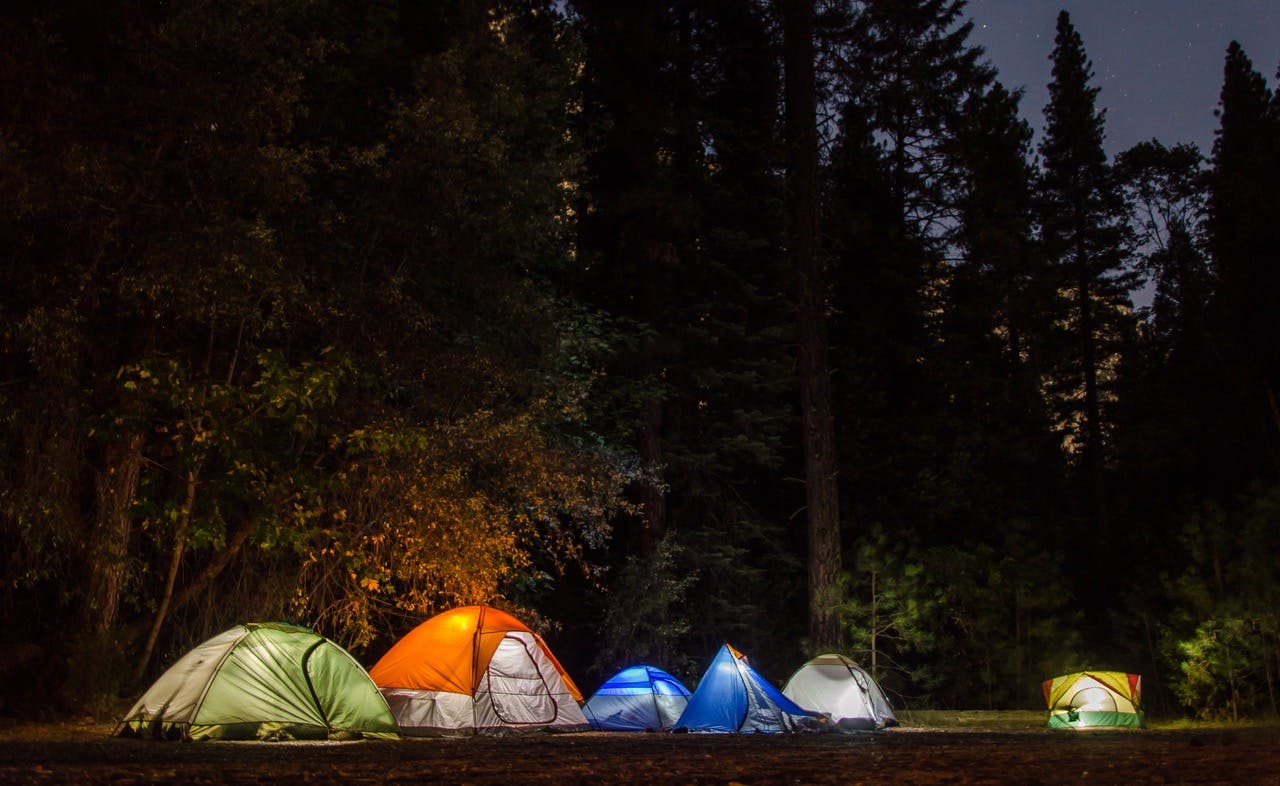
Imagine sitting around a campfire under a blanket of stars, roasting marshmallows, and listening to the soothing sounds of nature. For many, camping is a gateway to adventure, an escape from the hustle of daily life, and a chance to reconnect with nature. If you’re new to camping, navigating the essentials can be daunting. But fear not! This guide focuses on providing the essential tips you need and highlights some of the best beginner camping guides available online to ensure your first outdoor adventure is nothing short of amazing.
Why This Matters
Understanding the basics of camping is essential for a safe, enjoyable, and comfortable outdoor experience. Armed with the right knowledge, you can handle unexpected situations and make the most out of your trip. Practical benefits of reading beginner camping guides include learning how to select the right gear, finding the best campsites, and knowing how to respect the environment while enjoying it. This information is not just beneficial—it’s crucial for first-time campers wanting to ensure their adventure is as stress-free as possible.
Detailed Explanation
Choosing the Right Gear
- Tents: Learn about the different types of tents, such as dome tents and cabin tents, and what makes them suitable for different weather conditions.
- Sleeping Bags: Understand the importance of temperature ratings and bag shape (mummy vs. rectangular) for comfort and warmth.
- Camping Stoves: Compare fuel types and stove designs for cooking your meals efficiently outdoors.
Selecting a Campsite
- Terrain: Look for flat land to ensure comfort while sleeping. Avoid areas under trees due to the risk of falling branches.
- Water Source: Proximity to water is a plus, but remember to treat water before drinking.
- Privacy and Space: Consider the proximity to other campers. A good distance ensures privacy and reduces noise.
Campsite Setup
- Tent Setup: Clear the area of debris before setting up your tent. This prevents discomfort and damage to the tent floor.
- Food Storage: Understand best practices to keep wildlife away, such as using bear boxes or hanging food in trees if required by local guidelines.
Expert-Based Information
Resources like REI Co-op and the National Park Service offer expert advice and are ideal for beginners. They provide comprehensive lists of necessary gear and detailed safety tips, following industry standards to educate new campers thoroughly.
Common Questions and Myths
- Do I need expensive gear to start camping? Not necessarily. Many beginners can rent gear or choose affordable options that still offer quality and comfort.
- Is camping safe? Yes, when done responsibly. Understanding and preparing for wildlife encounters, weather changes, and following campsite rules are fundamental to ensuring safety.
Practical Tips & Actionable Advice
Here’s a quick checklist to get you started:
- Gear Checklist: Tent, sleeping bag, stove, food, water bottles, and first aid kit.
- Do’s and Don’ts:
- Do: Test your gear at home before your trip.
- Don’t: Leave food outside your tent to avoid attracting animals.
Strong Conclusion
Embarking on your first camping trip is an exciting venture into nature’s wonders. With the essential tips and trusted beginner guides at your fingertips, you’re now better prepared to enjoy a memorable and safe camping experience. Remember, every seasoned camper was once a beginner, and with each trip, your confidence and skills will grow. So pack your bags, embrace the adventure, and step into the great outdoors!
Happy camping!